The job market has swiftly evolved over the past decade, and new skills (especially those related to computers and software) are more in demand than ever. Given the rise of AI and the widespread use of technology in almost every field and aspect of life, one question is emerging across industries: “Do I need data skills for my job?” Whether you’re in marketing, healthcare, finance, HR, or even construction, the answer to this question is increasingly yes.
Let’s break it down and get familiar with why and to what extent skills related to handling or managing data matter.
Why Data Skills Matter
In a world that is moving towards paperless environments; aiming to reduce waste and make it more environmentally friendly, data is no longer confined to IT departments or data analysts. Businesses are making data-driven decisions daily; using data has become the new norm. The extensive reliance on computers and digital devices at workplace and in non-business activities has become a lifestyle. As a result, employers now expect professionals to not only understand their field but also to interpret data, identify trends, and make informed decisions. Developing strong data literacy skills is becoming essential across industries.
However, don’t worry, you are not expected to become a data scientist. Learning how to read charts, use spreadsheets, or build dashboards will undoubtedly enhance your credibility and confidence at work.
Who Really Needs Data Skills?
If you think your job doesn’t involve data, think again:
- Marketers analyse campaign performance and customer engagement.
- HR professionals use data to improve hiring and retention.
- Project managers track timelines, budgets, and resource allocation.
- Educators evaluate student performance metrics and learning outcomes to assess their progress.
- Engineers rely on performance data, forecasts, and modelling to inform their decisions.
- Economists are highly dependent on data to suggest policy measures and forecasting for future developmental projects
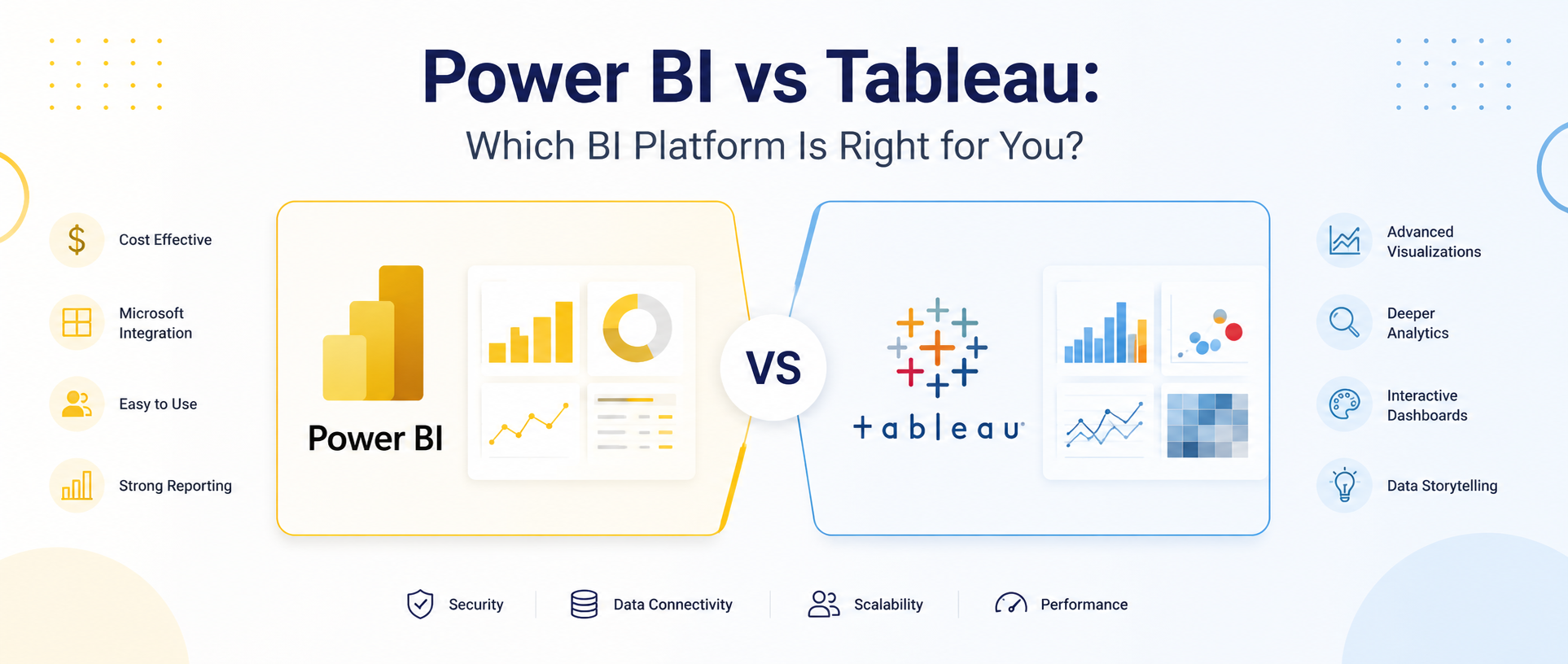
The list goes on. Even non-technical roles benefit from tools like Excel, Tableau, Power BI, or/and even basic Python or SQL for data handling.
The Competitive Edge
There is no doubt that people with a good understanding of data and its handling or data-literate professionals stand out. Companies are looking for data analysis, and it is one of the most in-demand skills today. Adding “data skills” to your resume doesn’t just make you employable—it makes you promotable.
Imagine being the person in the meeting who not only asks the right questions but also backs them up with data to support their claims. That’s powerful.
Now, here is the key point: how to start upscaling by learning it
How to Start Learning
The best part? Learning data skills has never been easier. Platforms like Coursera, LinkedIn Learning, and DataCamp offer beginner-friendly courses. You can start with:
- Excel basics: Formulas, pivot tables, and charts
- Data visualisation: Tableau or Power BI
- Intro to data analysis: Understanding trends and outliers
- Storytelling with data: Making insights meaningful
So, if you want to stay relevant, competitive, and effective in the modern workplace, the answer to the question, ‘Do you need to learn data skills for your job?’ is a clear yes.
Whether you’re just starting your career or looking to move up, investing in data literacy can open doors, spark innovation, and give you the confidence to lead with insight—not just intuition.
Has learning data skills helped you in your role? Share your experience in the comments or message me—we’d love to hear your story.
Yes. Most modern jobs require some level of data literacy. Understanding spreadsheets, dashboards, reports, and basic data analysis helps professionals make informed decisions and communicate insights effectively.
Beginners should start with Excel, data visualisation, basic data analysis, and dashboard tools such as Tableau or Power BI. These skills provide a strong foundation for understanding and working with data.
Almost every industry benefits from data skills, including marketing, healthcare, finance, education, engineering, human resources, government, and construction. Organisations increasingly rely on data-driven decision-making across all sectors.
Yes. Data skills help professionals make evidence-based decisions, identify trends, solve problems efficiently, and demonstrate greater business value, which can support promotions and career advancement.
Popular tools include Microsoft Excel, Tableau, Power BI, SQL, and Python. Beginners can start with Excel and visualisation tools before progressing to more advanced analytical platforms.
Most people can learn foundational data skills such as Excel, data visualisation, and basic analysis within a few weeks through online courses and regular practice. Continued learning helps develop more advanced capabilities over time.